



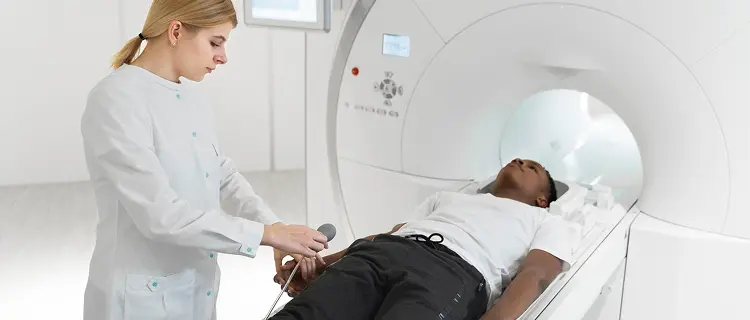
Getting an MRI is often seen as the final step in finding answers after an injury. When the results come back normal, many people feel confused and frustrated, especially when the pain has not gone away. If you are wondering what to do if your MRI scan came back normal but you are still in pain, you are not alone.
A normal MRI does not mean your pain is imaginary or that nothing is wrong. It simply means that the scan did not show certain types of damage. Understanding what an MRI can and cannot detect can help you decide what steps to take next.
Why an MRI Can Be Normal Even When Pain Is Real
MRI scans are powerful tools, but they do have limits. They are best at showing clear structural problems, such as fractures, herniated discs, or torn ligaments. Many painful conditions do not always appear on imaging tests.
Some reasons your MRI may look normal include:
- Soft tissue inflammation that has not reached a visible level
- Muscle strains or spasms that do not show clearly on imaging
- Nerve irritation without obvious compression
- Ligament or tendon injuries that are subtle or healing
- Pain caused by joint instability rather than a tear
Pain is a physical experience, not just a picture. Your body can still be injured even if the scan does not capture it.
Common Conditions That May Not Show on an MRI
Many injuries cause ongoing pain without obvious MRI findings. These conditions are often diagnosed through physical exams, patient history, and response to treatment rather than imaging alone.
Examples include:
- Whiplash and soft tissue neck injuries
- Muscle strains and deep bruising
- Nerve sensitivity or irritation
- Facet joint injuries in the spine
- Chronic inflammation or scar tissue
- Early stages of disc or joint damage
In these cases, symptoms matter more than the scan results.
What to Do After a Normal MRI Result
If your MRI scan came back normal but you are still in pain, do not stop seeking care. A normal scan should not be the end of your medical evaluation.
Here are important steps to take:
- Talk with your doctor about ongoing symptoms
- Ask whether additional tests are appropriate
- Follow through with recommended treatment plans
- Keep detailed notes about pain levels and limitations
- Seek a second opinion if symptoms are dismissed
Your voice matters. Pain that affects daily life deserves attention, even when imaging is normal.
Treatment Options That May Still Help
Treatment does not depend solely on MRI results. Many people improve with conservative care focused on function and pain relief.
Your doctor may recommend:
- Physical therapy to rebuild strength and mobility
- Pain management treatments, such as injections or medication
- Chiropractic or manual therapy
- Activity modification and guided exercise
- Follow-up imaging if symptoms change or worsen
Improvement often comes from addressing how the body moves and heals, not just what appears on a scan.
Why Documentation Still Matters
If your pain follows an accident or injury, medical records remain important. Even when an MRI is normal, consistent treatment records help show that your pain is real and ongoing.
Make sure to:
- Attend all scheduled appointments
- Follow treatment recommendations
- Report symptoms honestly and clearly
- Avoid gaps in care unless directed by a provider
Clear documentation helps doctors track progress and can be critical if insurance or legal issues arise later.
When to Ask for Further Evaluation
You should seek further evaluation if:
- Pain lasts weeks or months without improvement
- Symptoms interfere with work or daily tasks
- New symptoms appear, such as numbness or weakness
- Pain worsens instead of improving
- You feel your concerns are being dismissed
Persistent pain deserves continued medical attention, even if early tests were normal.
Contact Bowen Painter Injury Lawyers for a Free Legal Consultation
A normal MRI result can feel discouraging when you are still dealing with daily pain, but it does not mean your injury is insignificant or that your symptoms should be ignored. Many real and painful conditions simply do not appear on imaging, and recovery often depends on continued medical evaluation, appropriate treatment, and careful documentation rather than a single test result.
If you are facing pushback from insurance companies or feel your injury is being minimized because an MRI came back normal, Bowen Painter Injury Lawyers can help.
Contact our team today for a free legal consultation to discuss your situation and learn how we can advocate for the compensation and support you deserve. We have a convenient location in Savannah, GA.
We proudly serve Chatham County, Georgia, and its surrounding areas.
Bowen Painter Injury Lawyers
800 Commercial Ct, Suite1, Savannah, GA 31406
(912) 335-1909
Open 24/7
Our firm is located near you. We have an office in Savannah
Find us with our GeoCoordinates: 32.0047854, -81.1083488
About The Author

Attorney Andrew Bowen is a founding partner of Bowen Painter Injury Lawyers based in Savannah, GA. He earned his law degree from Mercer University’s Walter F. George School of Law in 1998, after completing his undergraduate studies at Washington and Lee University. Licensed to practice in Georgia, Florida, and South Carolina, Andrew is also admitted to the federal courts in Georgia and South Carolina, the Court of Federal Claims in Washington, D.C., the Eleventh Circuit Court of Appeals, and the U.S. Supreme Court. With over 25 years of legal experience focusing exclusively on personal injury and wrongful death cases since 2001, ranging from medical malpractice and automobile wrecks to commercial truck and motorcycle accidents. Andrew has established himself as a formidable advocate attorney in the Georgia community; his dedication to personally overseeing each case ensures that clients receive individualized attention and aggressive representation. Click here to view some of the exceptional case results Andrew has helped secure on behalf of injured clients.
Location: Savannah, GA


