



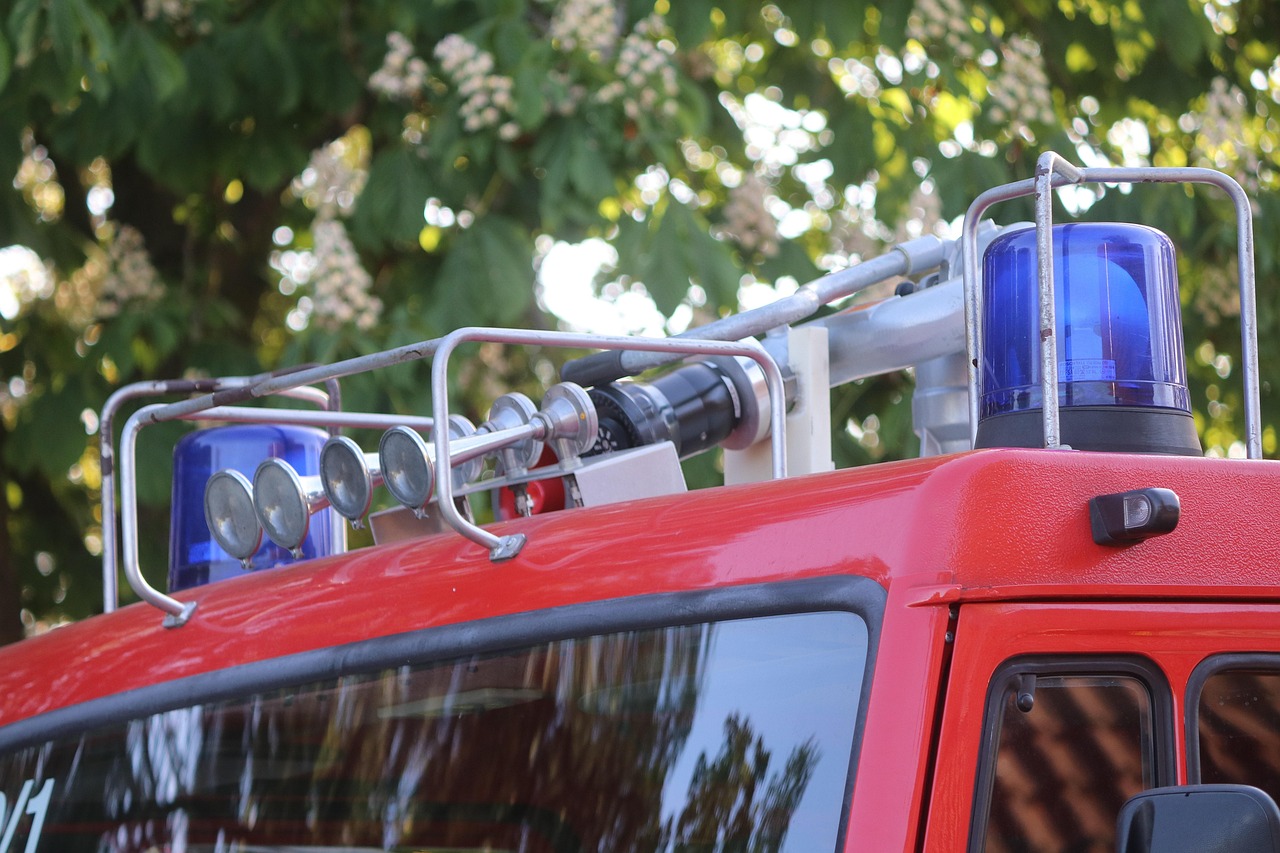
Fire departments provide emergency medical co-response alongside dedicated emergency medical services (EMS) teams. The condition of their apparatus directly affects how quickly and effectively they can reach patients in crisis. When new fire truck deliveries fall behind schedule, departments must keep older vehicles in active service, and that decision carries consequences that extend beyond maintenance budgets.
In time-sensitive medical emergencies, the condition of the apparatus responding to a call can affect patient outcomes in ways that eventually raise serious legal questions. Reach out to one of our fire truck antitrust attorneys to learn more.
How Do Delayed Deliveries Affect Emergency Medical Response?
Every minute matters in an emergency response. Cardiac arrest survival decreases with each minute without defibrillation, and delayed fire suppression extends exposure to smoke and structural danger. Departments operating aging apparatus because of delayed deliveries carry a higher risk of mechanical failure precisely when reliability matters most.
An older apparatus is more likely to experience mechanical failures, slower hydraulic systems, or equipment incompatibilities that cost time during a response. When a unit fails on the way to or at the scene, coverage must come from another station, and that gap can be significant. If a failed emergency response contributed to serious harm in your situation, one of our attorneys could help you evaluate your legal options.
When Do Response Failures Create Legal Questions?
Emergency vehicle failures and delayed responses can raise legal claims, depending on the circumstances and who operated the vehicle. The Georgia Tort Claims Act, codified at Official Code of Georgia Annotated § 50-21-21, governs claims against public fire departments and creates specific pathways for cases that involve government negligence, including the negligent maintenance or operation of public vehicles.
A claim in this context may involve a department’s failure to remove an unreliable vehicle from active service, a manufacturer’s defect in aging apparatus, or the conduct of an operator during an emergency response. Each scenario requires a fact-specific investigation that begins with the vehicle’s maintenance history, the timeline of the incident, and the relationship between the apparatus’s condition and the harm that resulted. Contact one of our lawyers today to discuss whether those facts support a claim in your case.
Contact Us To Learn How Fire Truck Delivery Delays Could Impact Emergency Services
The link between fire truck delivery schedules and emergency health outcomes is not always visible, but for families who experienced serious harm after a delayed or inadequate response, it can be the starting point for understanding what went wrong. Investigating those circumstances requires both technical knowledge and legal experience in the state’s tort law. Contact our team today to share your story and learn more about your legal options.


